Movement Director
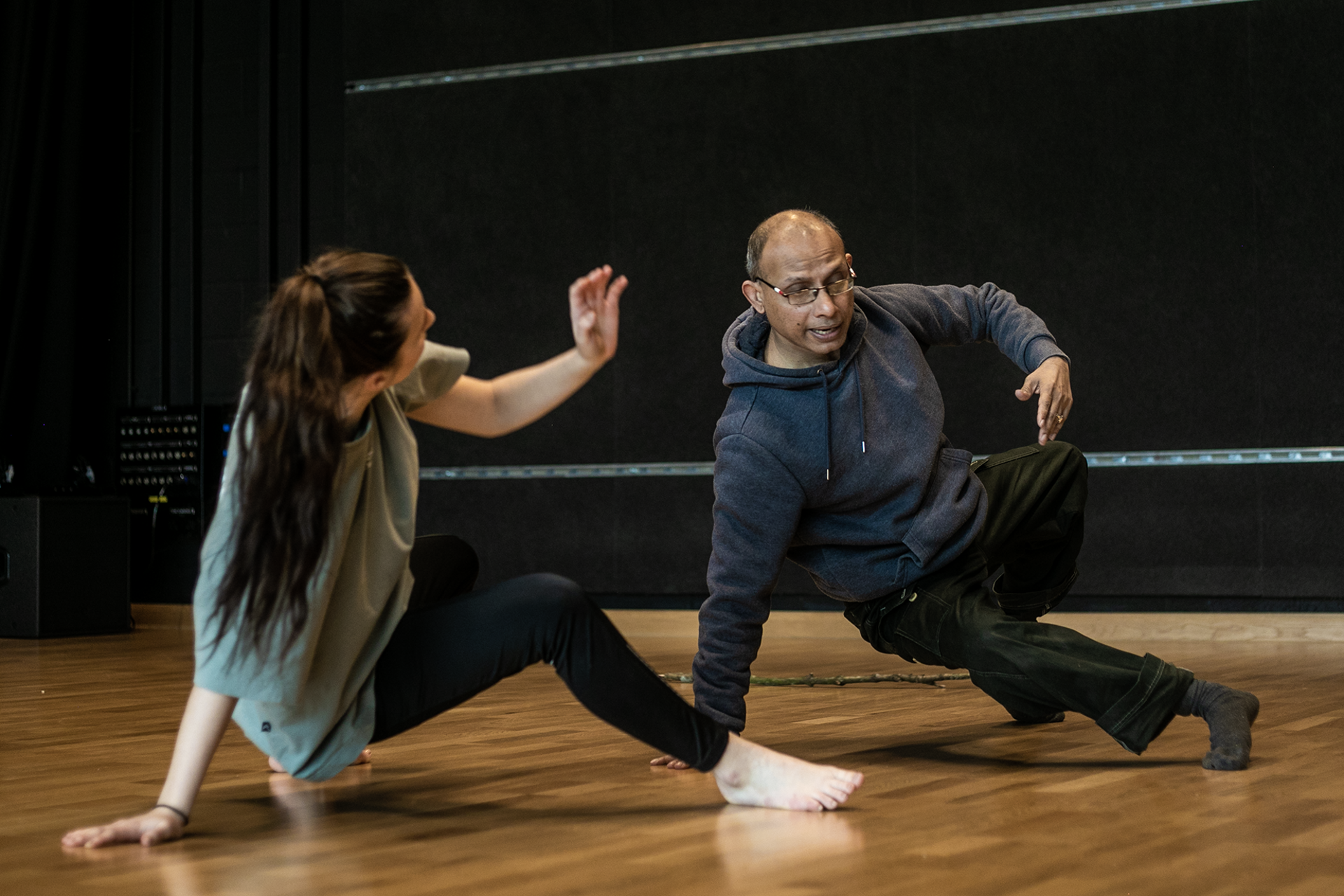
A Movement Director helps shape how performers move to bring characters and stories to life. They focus on posture, gesture, body language and how performers use space.
Unlike a choreographer, who creates dance and movement phrases, a Movement Director works closely with the Director to develop the overall physical style of a production. Their work supports storytelling in theatre, film, television and fashion.
What you need to do to work towards this role
Most Movement Directors have a background in dance, acting or physical theatre. Some go on to take specialist postgraduate training.
You will need strong communication skills, a good understanding of how the body works, and the ability to collaborate with performers and creative teams.
Some universities and conservatoires offer undergraduate and postgraduate courses related to movement direction for example a MA in Movement Direction. Courses will usually include practical training and opportunities to work with performers and industry professionals.
Next steps
Gain as much practical experience as you can. This could include student productions, community projects or professional work.
Building a portfolio and developing relationships with other creatives will help you grow your skills and experience.
Who do Movement Directors work with?
Movement Directors work with performers and creative teams, including dancers, actors, choreographers and directors. They may also collaborate with designers and other production staff.