Dance Photographer
A Dance Photographer captures movement, performance and expression in dance. They can work in a variety of settings, including rehearsals, studio sessions, live performances and events, either independently or for a company. Their images support promotion, documentation and education, helping artists and organisations share their work with audiences and the wider dance community.
What you need to do to work towards this role
Dance Photographers need strong technical photography skills, including knowledge of lighting, composition and how to capture movement. Understanding dance and movement helps anticipate key moments and respond to performers’ needs.
Experience or qualifications in photography, dance or a related creative subject can be useful, though formal training is not always essential. Building a portfolio that demonstrates work with dancers, alongside editing and post-production skills, is key. Good communication, organisation and adaptability are important when working with artists and organisations across the dance sector.
How the role has developed
As times have changed, the role of the Dance Photographer has evolved. Building a full-time career often requires a broad and adaptable skill set. Many photographers who are passionate about dance, and dancers who are passionate about photography, develop additional areas of expertise. This may include filming in order to offer trailers, showreels and digital content, or expanding their practice to include portraits alongside dance. A significant number of working dance photographers begin as dancers within companies, capturing behind-the-scenes material and gradually building a trusted network and content library within the dance community. If you are considering this career path, it is important to think broadly about related opportunities, including content creation and marketing roles within venues and dance organisations.
Next steps
Gain practical experience photographing dance in different settings, such as studios, schools, youth companies, theatres or higher education projects. Assisting or shadowing established dance photographers provides valuable insight into professional practices.
Building a strong portfolio and a visible online presence helps showcase your work and connect with dance companies, artists and venues.
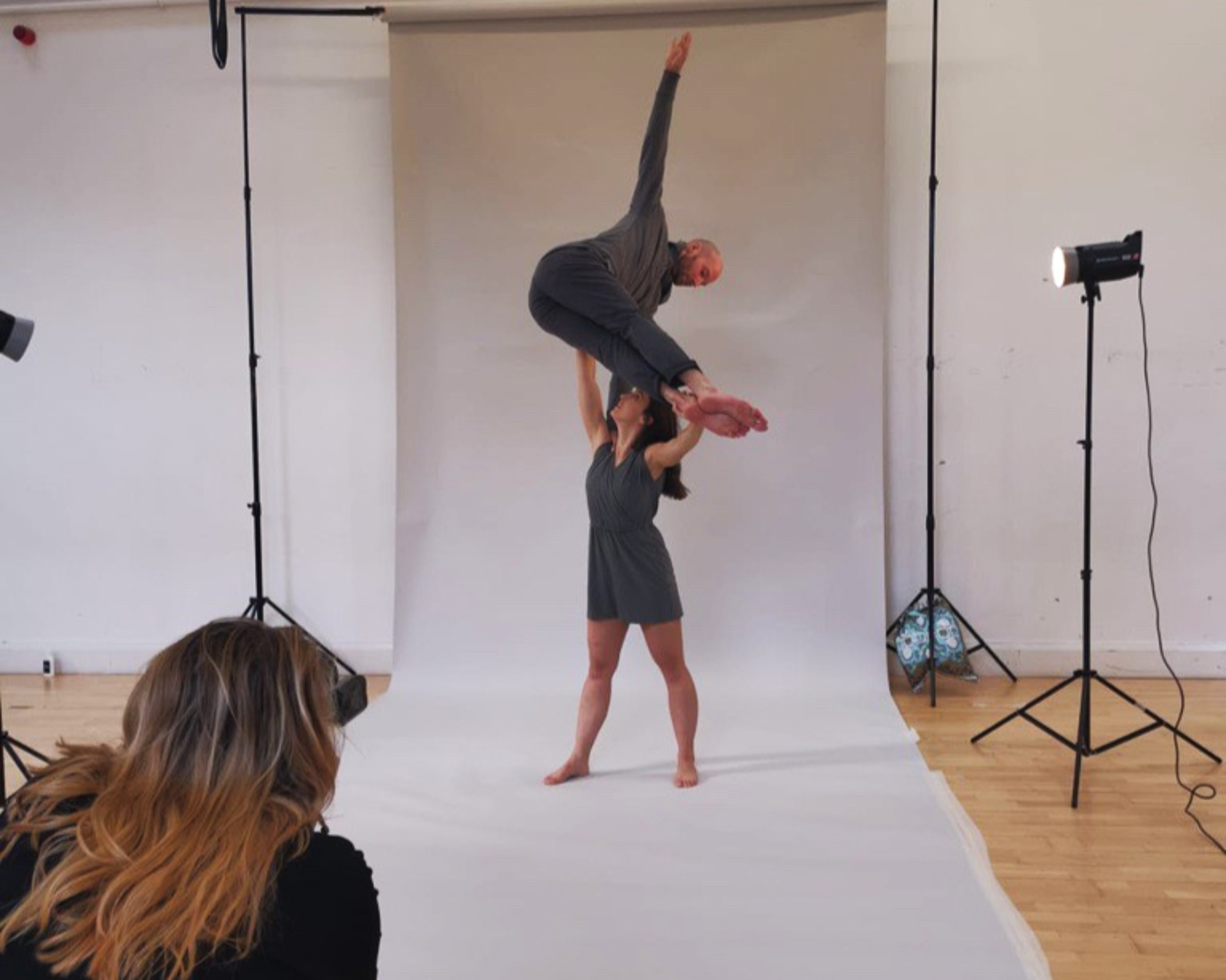
Who do Dance Photographers work with?
The role involves collaborating with dancers, choreographers and companies to visually represent the artistry, style and physicality of dance. The role can often involve working with arts organisations, venues, marketing and communications teams, education providers, and community dance projects.