NEWS
From Access to Action: How can the dance sector rethink inclusion?
DanceSyndrome explore how the sector can move beyond access adjustments, towards lasting inclusion, leadership, collaboration and practical action.
Share
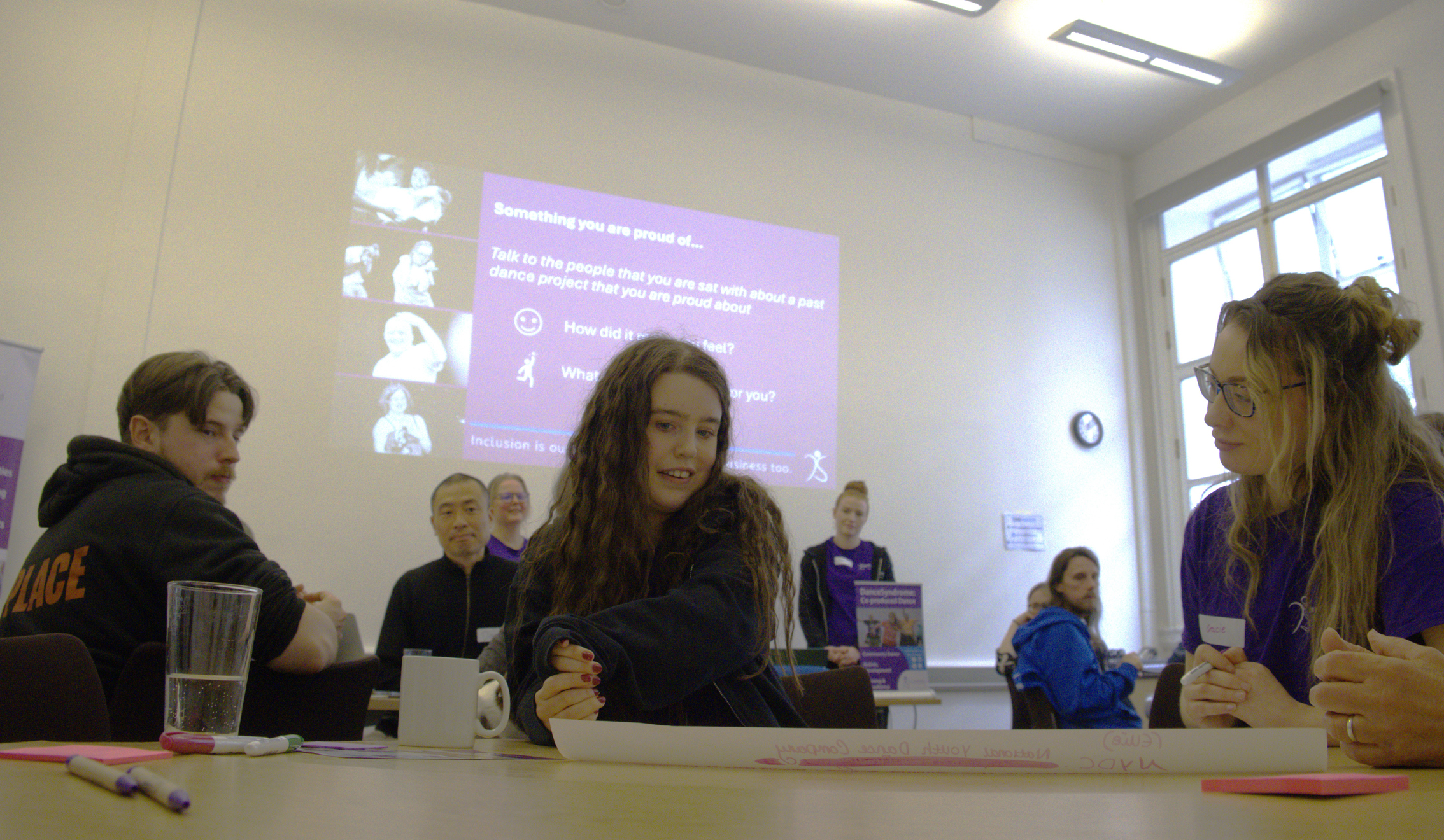
DanceSyndrome is an organisation committed to shaping a more accessible future for the dance sector. In March 2026, the charity hosted a sharing and learning event in Manchester that gathered Artists with disabilities, nationwide dance organisations and industry leaders to explore what real, long-term change in dance could, and should, look like. As they found out, there is a lot to learn, and real progress is going to need definitive action.
DanceSyndrome is North-West based dance company that develops leadership, choreography and performance opportunities for Artists with learning disabilities. Its wider ambition is not simply to improve access at the outer edges of the sector, but to help shape inclusive culture, structures and expectations across the whole industry. Their Manchester event marked the start of what they hope will be a longer, shared journey, bringing together people who are keen to drive practical, sustained change.
Held at Friends Meeting House, the day was designed to create space for Artists with disabilities and supporting organisations to speak honestly about how to effectively support creative development, what barriers Artists face, and what needs to be done to create change. Attendees included representatives from Arts Council England, Cheshire Dance, National Youth Dance Company, StopGap Dance Company, Mind the Gap and Land Fes from Tokyo.
The emphasis throughout the day was on listening, sharing good practice, exchanging knowledge and identifying joint priorities. The structure of the day reflected that approach. Participants introduced themselves through an object or photograph, shared a dance experience they were proud of, and spoke about their hopes for their future in the Arts sector, before moving into wider discussions about progression, access and opportunity. Those conversations painted a clear picture of what Artists with disabilities need to thrive as Arts professionals. Alongside confidence, visibility and creative ambition, there was a clear need for easier routes into commissions, stronger access support, more transparent funding information and better pathways connecting training, creativity and performance work.
“DanceSyndrome doesn’t want this to be a one-off conversation. This is a long-term journey about changing practices, amplifying diverse voices and making sure Artists with disabilities are not just present, but leading the way.” Julie Nicholson, DanceSyndrome Managing Director
Several of the themes were practical and actionable. Artists spoke about the importance of accessible rehearsal spaces, building in extra time for processing learning, as well as the need for more inclusive networking opportunities. As all these things come with significant costs, there was also a desire for clearer information about funding professional opportunities. Others raised broader questions about how inclusive dance is recognised and resourced, and how the sector can move beyond treating inclusion as a separate strand of activity, including paying Artists with disabilities equitably for their work.
Other themes were more abstract and challenging. Many Artists felt like they need more of a sense of “identity” and wanted more support from the sector to have their voices heard, to be more visible as Artists and to feel confident to play defining roles in a sector-wide movement. There was a feeling of not currently being fully included in a mainstream industry that wasn’t “ready or committed” to working with Artists with disabilities.
“Real inclusion in the Dance sector happens when we move beyond access being an add-on. Artists and audiences with disabilities should be shaping our work from the beginning.” Sophie Tickle, DanceSyndrome Artistic Director
Feedback from the day suggests the ideas resonated with Artists and organisations alike. In the anonymous evaluation, all respondents said more events like this are needed, with 91% saying they would like to attend another in the future and the same proportion reporting that they felt listened to. Participants described the event as informative, thought-provoking, inspiring, empowering, open and creative.
"The DanceSyndrome event was a great chance to meet other Artists and organisations and be able to learn from each other and share our experiences. As a Northern learning-disabled Artist, I hope for more collaboration and opportunities, which will make our work more powerful and have a bigger impact on society. I feel optimistic about the future of these connections and what they might hold." Charlotte Jones, Mind the Gap Artist
There was also a clear call for continued momentum for the movement. Participants highlighted the importance of sharing the learning more widely, creating opportunities for ongoing collaboration and developing practical next steps, such as Artist exchanges. Some also reflected on the content of the day, suggesting that future gatherings could include more time for shared movement to ignite greater creativity in the discussions.
“Real change in the Arts won’t happen by accident. It needs investment and strategic commitment to doing things differently. DanceSyndrome is keen to create real change, driven by the Artists themselves.” Julie Nicholson, DanceSyndrome Managing Director
The questions raised throughout the day point to wider sector challenges. Artists spoke about the difficulty of navigating funding systems, identifying progression routes and accessing the support needed to sustain a viable career. There was a shared sense that while progress has already been made in recent years, the structures needed to support Artists with disabilities consistently and equitably are still in need of development.
For DanceSyndrome, this work is part of a longer journey rather than a single event. The organisation is committed to continuing the conversation through further events, progressing partnerships and creating a practical action plan that responds directly to what Artists have shared.
“This is about embedding a culture where diverse Artists are genuinely valued for their creativity and leadership, as equal contributors. We should be striving to amplify their voices and provide platforms for their work.” Sophie Tickle, DanceSyndrome Artistic Director
The next stage will focus on turning insights into action, ensuring that the ideas shared at the event in Manchester genuinely shape future opportunities, structures and collaborations across the sector.
DanceSyndrome is currently developing an action plan for how to take this work forward in a proactive way and their team are co-ordinating practice sharing activities between the partnership organisations as the next step. They are keen to work collaboratively with any Artists or organisations who share their inclusive values and want to be a part of this movement. If you would like to know more about DanceSyndrome and their work, visit www.dancesyndrome.co.uk