NEWS
Ballet Black: 25 years improving diversity in ballet
Changing diversity in ballet has been a long game, but slowly they are creating sustainable change
Share
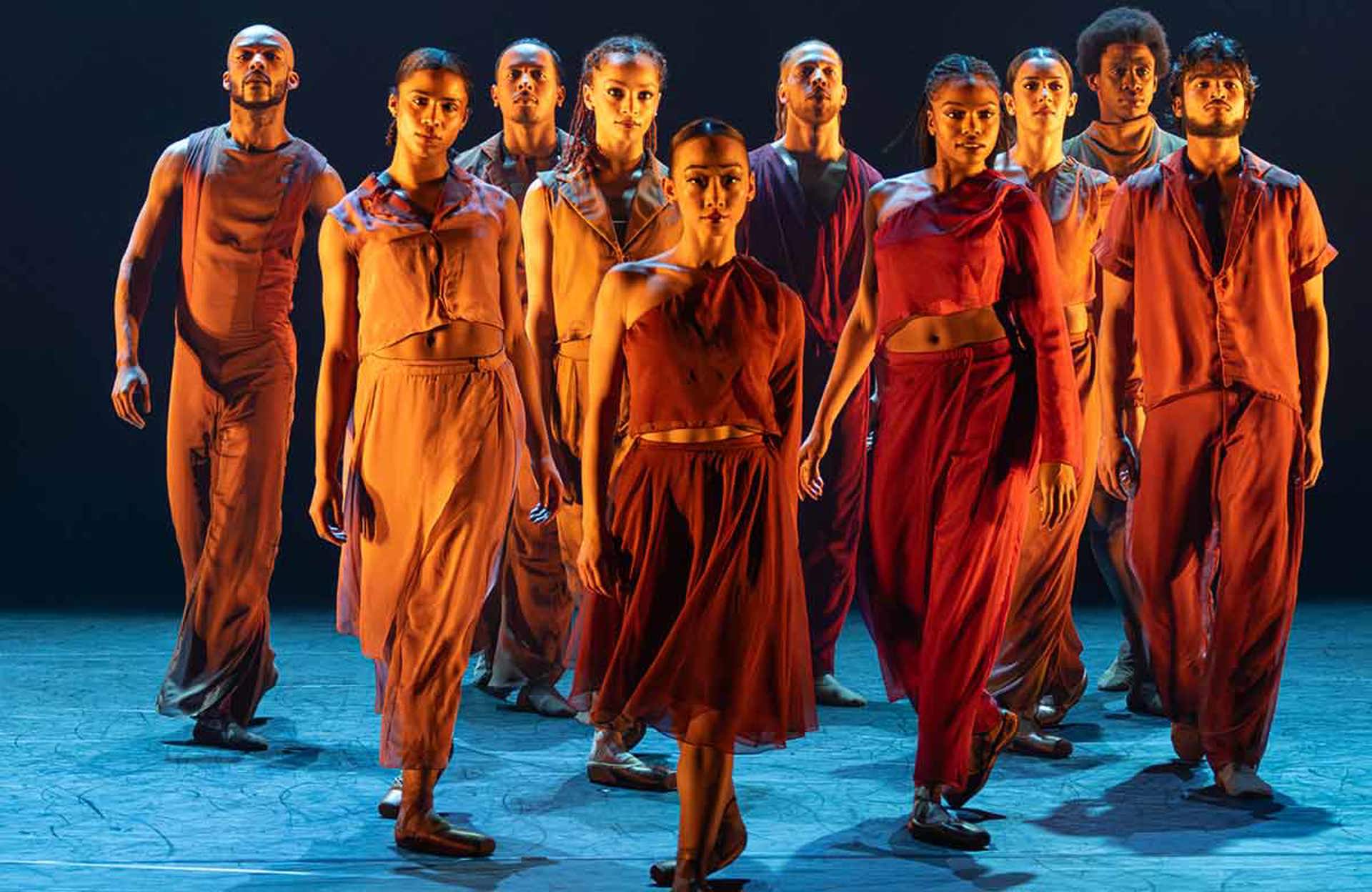
assa Pancho’s Ballet Black in …all towards hope, choreographed by Hope Boykin. Photo: ASH
25 years ago, after writing a dissertation about the lack of Black women in British ballet, Cassa Pancho decided to do something about it. So she started Ballet Black.
She started by changing the power structure and who was running the room. She asked Denzil Bailey, a dancer retiring from English National Ballet, to teach a class and found suddenly, although everyone was welcome, the majority of people in the room were Black.
Initially, she thought the company might be done in five years, mission accomplished. 25 years later, it's clear that wasn't the case, but she doesn't see that as a failure.
Change takes time because the pipeline to becoming a professional ballet dancer is so small and representation shrinks at every stage. Of the few Black dancers accepted to vocational training, even fewer get through without injury and emerge good enough to successfully audition for professional companies. Even once they become professionals, dancers may leave for many reasons, such as injury or having children. That is why she started the Ballet Black School.
Their dancers are now teachers, choreographers, rehearsal directors and leaders across the dance world. They are making decisions, teaching the next generation and deciding what ballet looks like.
Ballet Black is creating sustainable change. It is slow and not flashy. The company is not just getting more Black dancers into ballet; it's changing who believes ballet belongs to them.